
The Science Behind Our Biotechnological Innovations
Biotechnological innovations have revolutionized various sectors, from healthcare to agriculture. The science behind these advancements involves a fascinating interplay of genetics, microbiology, and engineering. Understanding this science can provide insights into how these technologies are transforming our world.
The Role of Genetics in Biotechnology
At the heart of many biotechnological innovations is genetics. By manipulating DNA, scientists can create genetically modified organisms with desirable traits. This process involves identifying specific genes responsible for certain characteristics and altering them to enhance or suppress these traits.
For example, in agriculture, genetic engineering has led to the development of crops that are more resistant to pests and diseases. In medicine, gene therapy holds the promise of treating genetic disorders by repairing or replacing faulty genes.
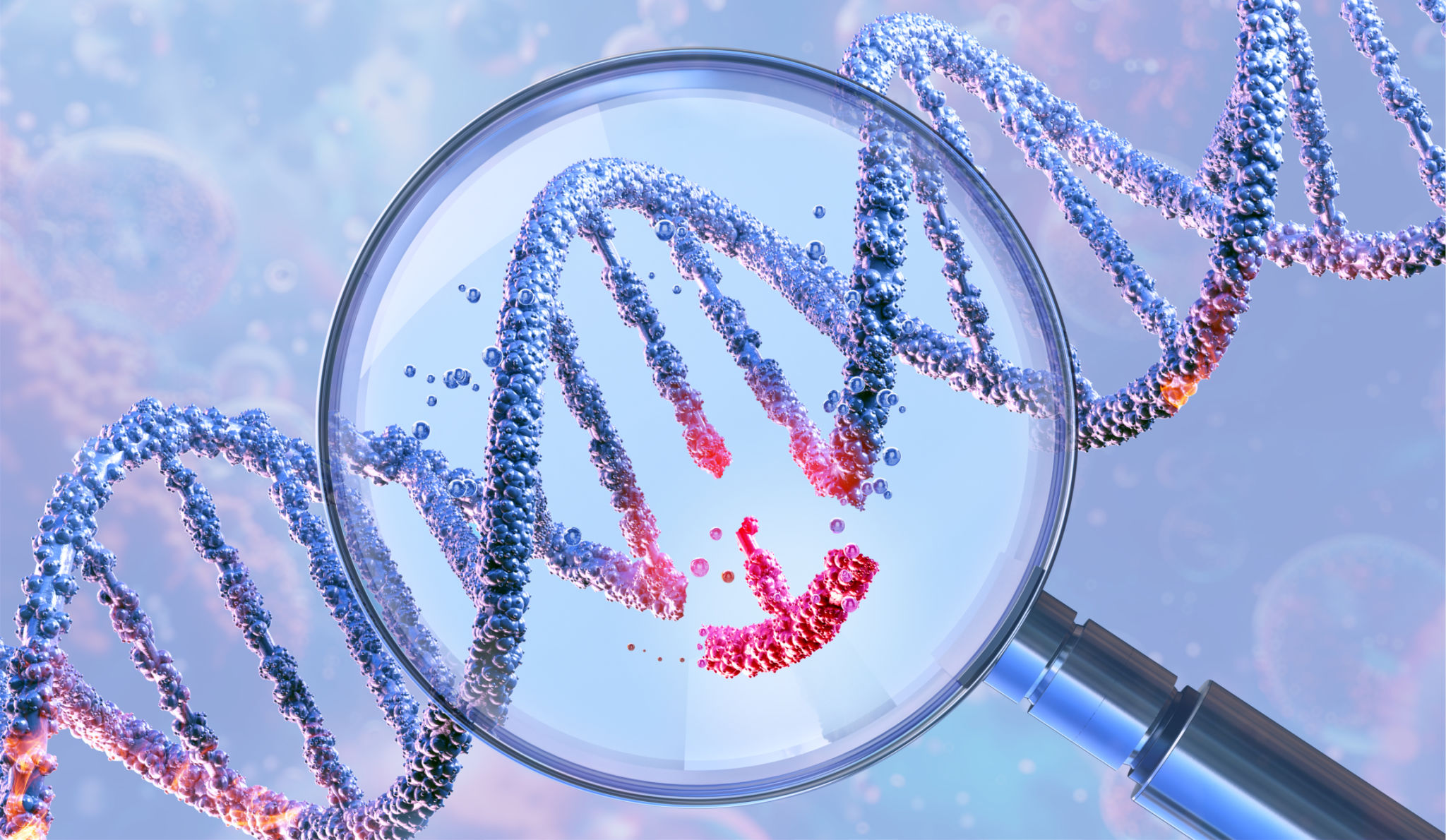
CRISPR: A Revolutionary Tool
One of the most groundbreaking tools in genetic engineering is CRISPR-Cas9. This technology allows for precise editing of the genome, making it possible to add, remove, or alter genetic material at specific locations. The implications of CRISPR are vast, offering potential solutions for genetic diseases, cancer, and even aging.
While CRISPR has demonstrated incredible potential, it also raises ethical questions about genetic modification and the long-term effects of such interventions. As research continues, understanding these implications will be crucial in guiding future applications.
Microbial Biotechnology
Beyond genetics, microbial biotechnology plays a vital role in biotechnological innovations. Microorganisms such as bacteria and yeast are utilized to produce everything from antibiotics to biofuels. Through fermentation processes, these microbes can be harnessed to convert raw materials into valuable products.

Bioreactors and Their Applications
Bioreactors, devices that provide a controlled environment for the growth of microorganisms, are essential in microbial biotechnology. They enable the large-scale production of bioproducts, ensuring consistent quality and efficiency. Applications range from pharmaceuticals to waste treatment, showcasing the versatility of microbial biotechnology.
By optimizing the conditions within bioreactors, such as temperature, pH, and nutrient supply, researchers can maximize the yield and effectiveness of microbial processes.
Biotechnology in Healthcare
The impact of biotechnology in healthcare is profound. Innovations such as personalized medicine, where treatments are tailored to an individual's genetic makeup, are becoming increasingly feasible. This approach promises more effective treatments with fewer side effects.
Additionally, biotechnological advancements have led to the development of biopharmaceuticals, including vaccines, monoclonal antibodies, and hormones. These products have revolutionized the treatment and prevention of diseases.

The Future of Biotechnological Innovations
As biotechnological research progresses, the future holds exciting possibilities. From sustainable agriculture practices to advanced medical therapies, the potential applications are endless. However, it is essential to navigate the ethical and environmental considerations associated with these technologies.
By fostering interdisciplinary collaboration and maintaining a focus on ethical practices, the field of biotechnology will continue to evolve, offering solutions to some of the world's most pressing challenges.