
How Seasonal Changes Affect Biotech Product Development
Introduction to Seasonal Impacts
Seasonal changes can significantly influence various industries, and biotech product development is no exception. From fluctuating temperatures to varying daylight hours, environmental shifts can impact the research, development, and production processes. Understanding these effects is crucial for biotech companies aiming to optimize their operations.

Temperature Variations
Temperature fluctuations are one of the most direct ways seasons affect biotech products. Many biological processes are temperature-sensitive, meaning that colder or hotter conditions can alter the efficacy of these processes. For example, enzymes used in biotech research may require specific temperature ranges to function optimally.
Biotech labs often employ sophisticated climate control systems to maintain stable environments. However, unexpected temperature changes can still pose challenges, especially for field research or outdoor cultivation. These variations may necessitate adjustments in protocols or timelines.
Daylight and Photoperiodism
Daylight length, or photoperiodism, is another factor influenced by seasonal changes. Many organisms, including plants and some microorganisms, rely on daylight cues for growth and development. In biotech, understanding these patterns can be essential for manipulating growth cycles or maximizing yield in bioengineered crops.

For instance, researchers may use artificial lighting to simulate different seasons, ensuring that laboratory conditions mimic natural environments. By doing so, they can maintain consistent research conditions year-round, regardless of actual seasonal changes.
Humidity and Moisture Levels
Humidity and moisture levels can substantially affect biotech procedures, particularly those involving cell cultures or fermentation processes. High humidity may promote unwanted microbial growth, while low humidity can lead to dehydration and reduced vitality in cultures.
- Humidity control is essential in laboratories to maintain the integrity of experiments.
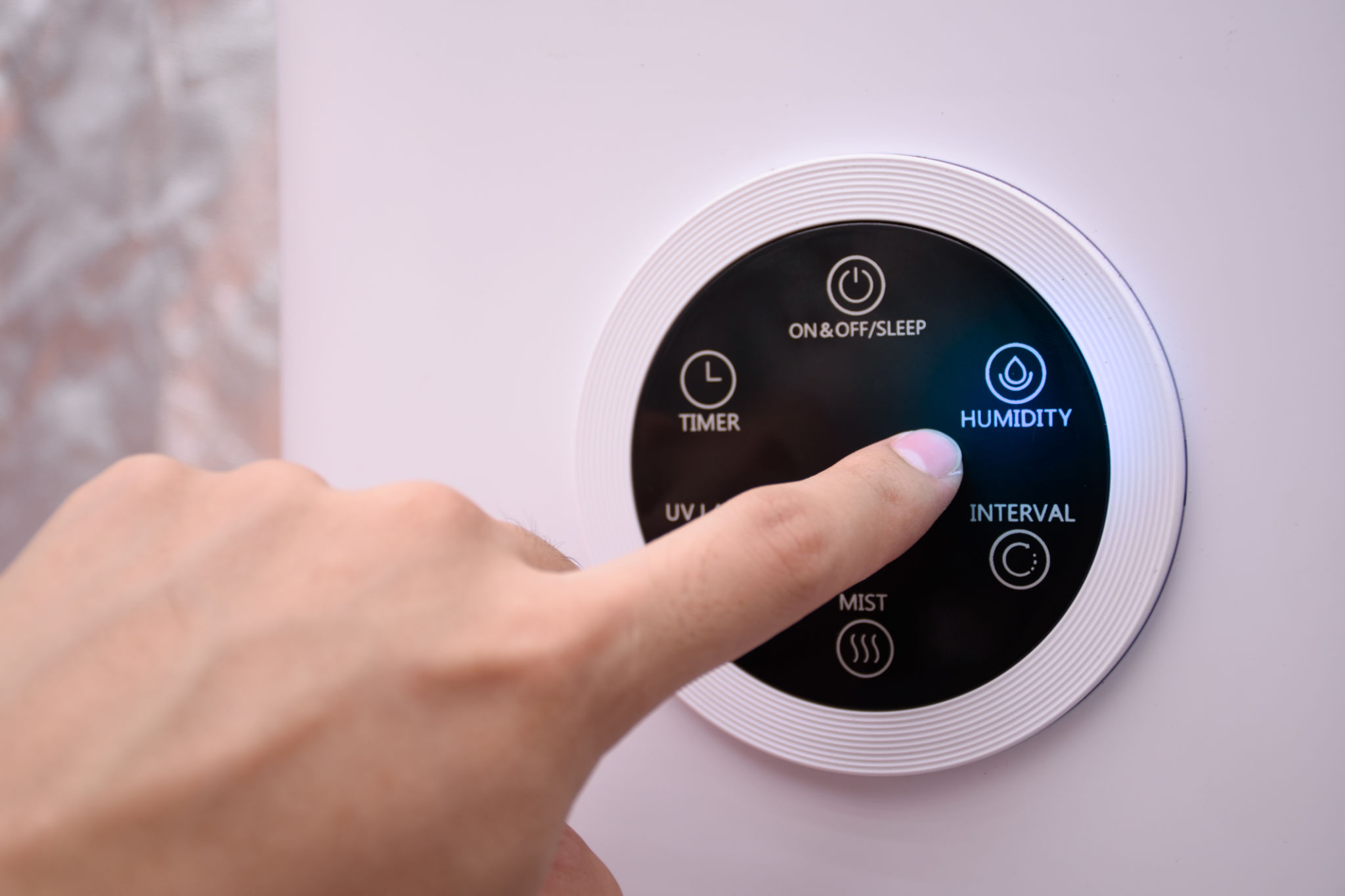
- Specialized equipment, such as dehumidifiers or humidifiers, may be used to regulate moisture levels.
- Monitoring systems are often employed to provide real-time data and adjustments.
Seasonal Allergens and Contaminants
Seasonal changes can also introduce allergens and contaminants into the environment, affecting biotech research. Pollen, spores, and other particulates can interfere with sensitive experiments, skewing results or introducing variables that complicate analysis.
To mitigate these issues, biotech facilities often employ stringent air filtration systems. Regular maintenance and monitoring are crucial to ensure that these systems remain effective throughout seasonal transitions.
Conclusion
In conclusion, seasonal changes present unique challenges and considerations for biotech product development. By understanding and adapting to these environmental shifts, biotech companies can enhance their research and production efficiency. Whether through advanced climate control, artificial lighting, or robust filtration systems, the ability to manage seasonal impacts is vital for innovation and success in the biotech industry.