
A Guide to Biotechnology Applications in Everyday Life
Introduction to Biotechnology
Biotechnology is a fascinating field that blends biology with technology to create innovative solutions for everyday problems. From healthcare to agriculture, it plays a crucial role in enhancing the quality of life. In this guide, we'll explore various applications of biotechnology that you might encounter in your daily life.

Biotechnology in Healthcare
Medicine and Pharmaceuticals
One of the most significant contributions of biotechnology is in the development of new medicines and therapies. Biotech companies utilize genetic engineering to create drugs that are more effective and have fewer side effects. For instance, insulin production for diabetes management is now largely achieved through recombinant DNA technology.
Gene Therapy
Gene therapy is an innovative approach to treating genetic disorders by correcting defective genes. This cutting-edge technology offers hope for conditions that were once considered untreatable, such as certain types of muscular dystrophy and cystic fibrosis.

Biotechnology in Agriculture
Genetically Modified Organisms (GMOs)
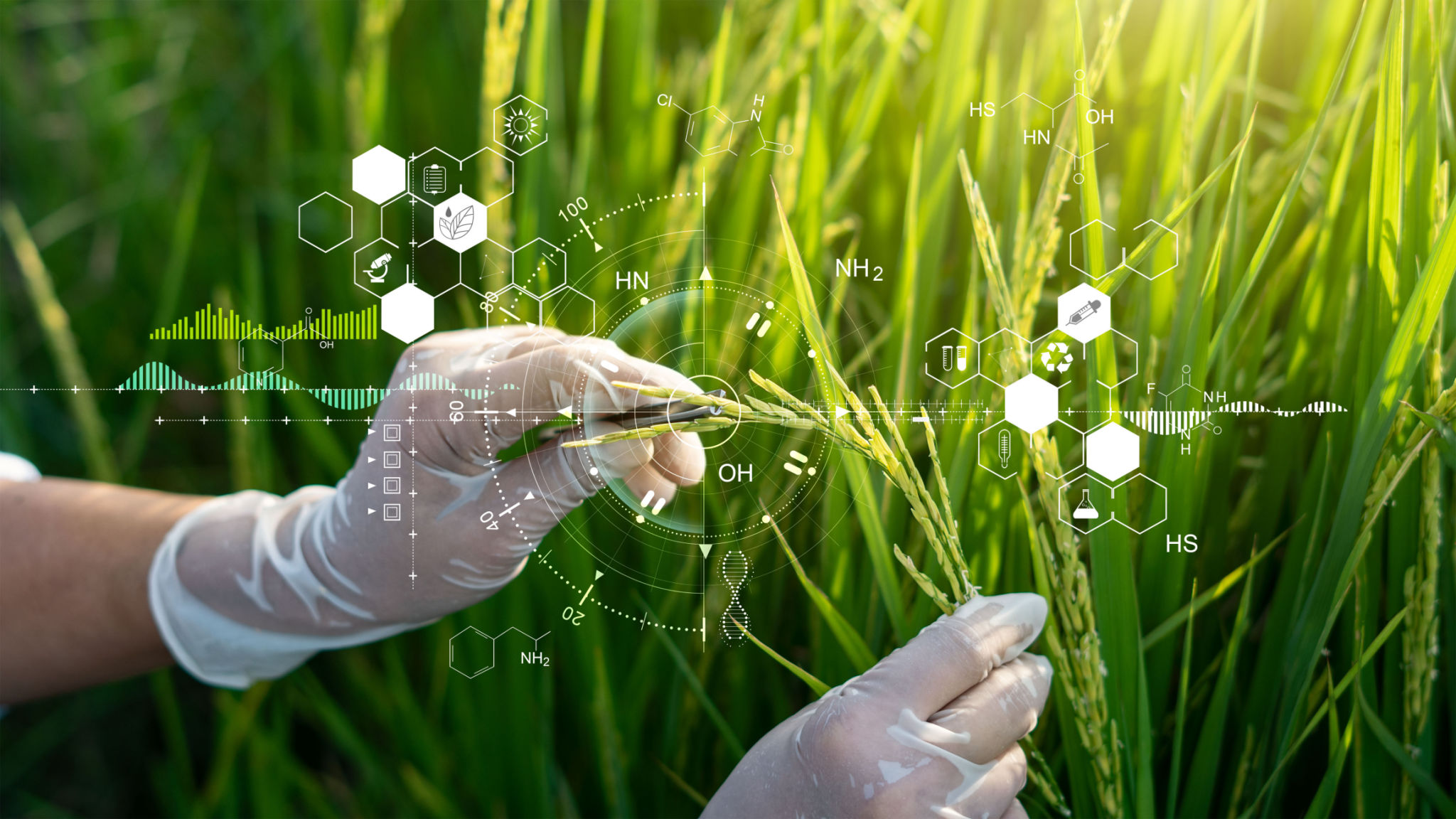
In agriculture, biotechnology has enabled the development of genetically modified organisms (GMOs) that are more resistant to pests and diseases. This not only increases crop yield but also reduces the need for chemical pesticides, promoting a more sustainable farming practice.
Biofortification
Biofortification is the process of enhancing the nutritional profile of crops through biotechnology. For example, golden rice is engineered to contain higher levels of Vitamin A, helping to combat malnutrition in regions where rice is a staple food.
Biotechnology in Environmental Conservation
Bioremediation
Bioremediation is a process that uses microorganisms to clean up contaminated environments, such as oil spills or heavy metal pollution. This eco-friendly method harnesses the natural capabilities of bacteria and fungi to restore ecosystems to their natural state.
Renewable Energy
Biotechnology is also pivotal in developing renewable energy sources, such as biofuels. By converting organic materials like plant waste into fuel, biotech provides a sustainable alternative to fossil fuels, reducing our carbon footprint.

Conclusion
The impact of biotechnology is vast and multifaceted, touching numerous aspects of daily life. From advancing healthcare solutions to promoting sustainable agricultural practices and environmental conservation, biotechnology continues to drive innovation. As research and technology progress, we can expect even more groundbreaking applications that will further enhance our world.