
A Comprehensive Guide to Bioinformatics Technologies in Health
Introduction to Bioinformatics Technologies
Bioinformatics is a rapidly evolving field that merges biology, computer science, and information technology to analyze and interpret biological data. With the advent of high-throughput technologies, the ability to process vast amounts of data efficiently has become crucial in health and medicine.
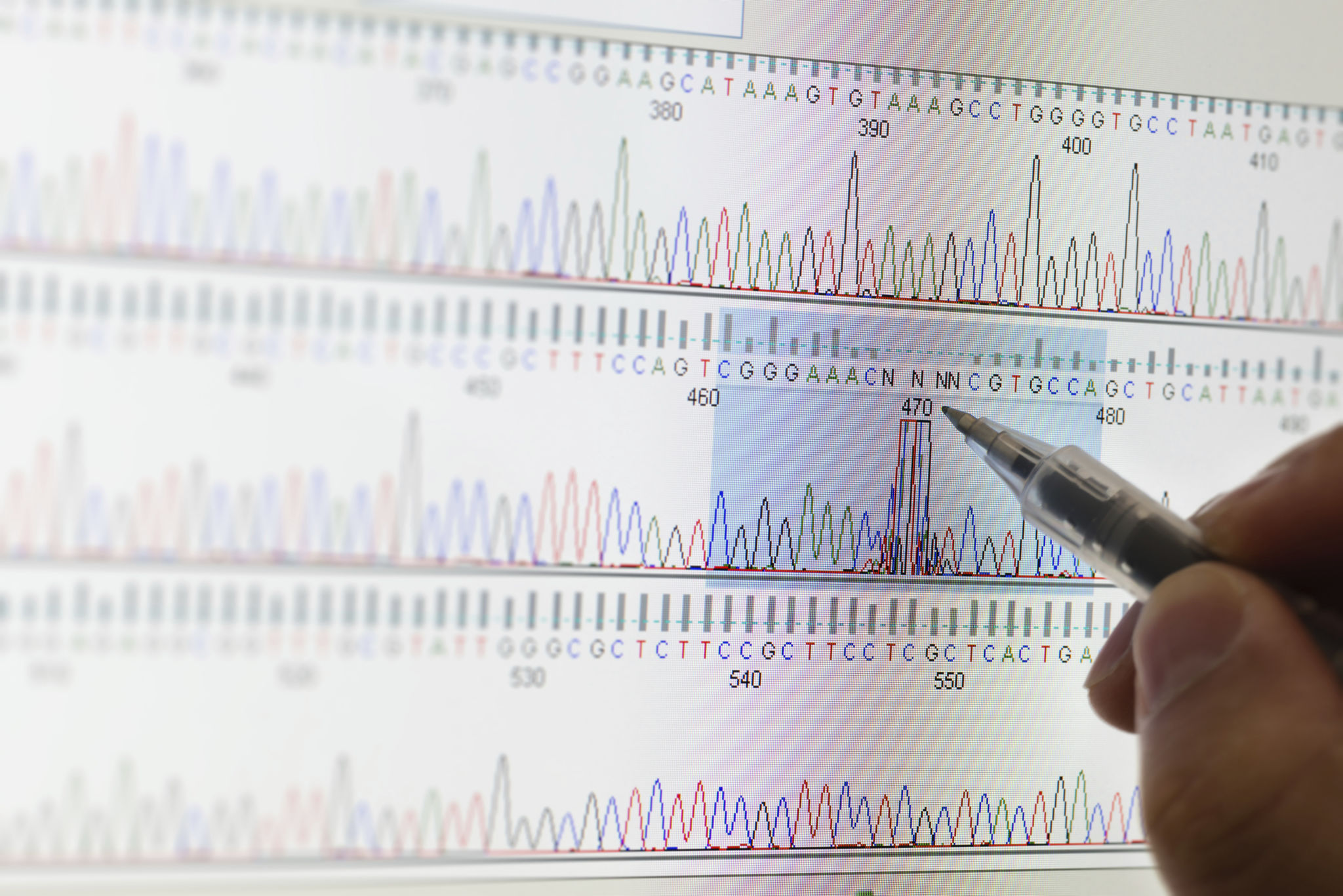
The primary goal of bioinformatics is to enhance our understanding of biological processes, which can lead to significant advancements in healthcare. By leveraging computational tools and techniques, researchers can unlock new insights into genetic diseases, drug development, and personalized medicine.
Key Technologies in Bioinformatics
Genomic Sequencing
Genomic sequencing technologies have revolutionized bioinformatics by enabling the detailed study of genomes. Techniques such as Next-Generation Sequencing (NGS) allow for rapid and cost-effective sequencing of entire genomes, providing essential data for research and clinical applications.
These technologies are instrumental in identifying genetic variations and understanding their implications on health. The information obtained through genomic sequencing can help in diagnosing genetic disorders and tailoring individualized treatment plans.

Data Analysis and Machine Learning
With the explosion of biological data, advanced data analysis techniques are crucial. Machine learning, a subset of artificial intelligence, is increasingly used in bioinformatics to identify patterns and make predictions based on complex datasets.
Machine learning algorithms can aid in predicting disease outcomes, identifying potential drug targets, and understanding protein interactions. These capabilities enhance the precision and efficiency of biomedical research.

Applications in Healthcare
Personalized Medicine
One of the most promising applications of bioinformatics is in personalized medicine. By analyzing an individual's genetic information, healthcare providers can develop customized treatment plans tailored to the patient's unique genetic makeup.
This approach not only improves treatment efficacy but also reduces the risk of adverse drug reactions. Bioinformatics technologies are pivotal in the shift towards more personalized, patient-centered healthcare.
Drug Discovery
Bioinformatics plays a vital role in drug discovery by identifying novel drug targets and predicting the effects of potential drug compounds. By simulating biological processes, researchers can expedite the drug development process and reduce costs.

Moreover, bioinformatics tools help in understanding the molecular mechanisms of diseases, which is essential for developing effective treatments. This integration of technology and medicine opens new avenues for therapy development.
Challenges and Future Directions
Despite its advancements, bioinformatics faces challenges such as data privacy, integration of heterogeneous data sources, and the need for robust computational infrastructure. Addressing these issues is crucial for the continued growth and impact of bioinformatics in healthcare.
Looking ahead, the future of bioinformatics holds exciting possibilities. As technology advances, we can expect more sophisticated tools and methodologies that will further enhance our understanding of complex biological systems and improve health outcomes worldwide.
